

З Sports Bet Casino Fun and Strategy
Explore sports bet casino platforms offering real-time betting on games, live events, and casino-style games. Learn about odds, payment options, bonuses, and responsible gaming practices in a clear, straightforward guide.
Sports Bet Casino Fun and Strategy
I dropped $200 on a single session last week. Not because I’m reckless – I’m not. But because the game I picked had a 96.8% RTP, a 5.2 volatility rating, and a retrigger mechanic that actually pays out. That’s the kind of math you can’t ignore. I saw 17 scatters in 48 spins. Not a fluke. A pattern. And when the base game grind finally broke, I hit a 120x multiplier. That’s not luck. That’s timing.

Most people blow their bankroll on slots with 94% RTP and 3.1 volatility. They chase the big win like it’s a lottery ticket. I don’t. I track the average cycle length. I know that 85% of spins on this provider are dead spins. That means I only play when the variance spikes – when the last 100 spins had zero hits. I wait. I watch. I don’t force it.
Max Win? Sure, it’s tempting. But the real money’s in the small wins. I’ve seen games with 200x Max Win that never hit it. But the 10x and 15x hits? They come in clusters. I play for the 500x bonus trigger – not because I expect it, but because the odds are better than a 200x jackpot. I’ve hit 120x on a 100-spin cycle. That’s a 12x return. Not flashy. But real.
Don’t fall for Apolloslots888De.Com the flashy animations. They’re just noise. I’ve played games with 4K visuals and a 92% RTP. The math is garbage. I stick to titles with transparent payout data. I check the variance chart. I run the numbers. If the game doesn’t show its volatility profile, I walk. No exceptions.
Wagering? I never go above 2% of my bankroll per spin. That’s not a rule. It’s a survival tactic. I lost 14 spins in a row on a high-volatility slot. My bankroll dropped 12%. I didn’t panic. I reset. I waited for the next cycle. That’s how you survive the dry spells. That’s how you win in the long run.
So yeah – play. But play like you mean it. Not like you’re gambling. Like you’re calculating. Like you’re in control. The game isn’t random. It’s math. And if you treat it like a puzzle? You’ll win more than you lose. I’ve been doing this for ten years. And I still check the RTP before I press “spin.”
How to Choose the Right Sportsbook for Your Betting Style
I don’t care about flashy interfaces or 50 free spins on sign-up. I want a platform that doesn’t make me feel like I’m gambling blindfolded. Start here: check the RTP on your favorite markets. Not just the headline number–dig into the actual odds. I ran a 30-day test on three top-tier operators. One showed 96.2% on football spreads. The others? 94.8% and 95.1%. That’s 1.4% in your pocket over time. Not a rounding error. A real difference.
Look at the payout speed. I lost a $200 parlay on a Sunday game. The site said “processing” for 18 hours. Then, 12 hours later, the funds were gone. No notice. No apology. That’s not a bug–it’s a red flag. If you’re grinding daily, slow payouts kill your bankroll rhythm.
Volatility matters. If you’re chasing high-variance prop bets–say, player props with 100x max win–pick a site that actually pays out when you hit. I hit a 50x on a quarterback TD bet. The system froze. Had to call support. They said “we’re reviewing.” I lost the win. (Not the money–just the faith.)
Scatters and retrigger mechanics? They’re not just for slots. In live betting, some sites auto-apply multipliers when you hit a certain streak. Others? You get nothing. I lost a 5-leg teaser because the system didn’t recognize the sequence. I checked the rules. They were buried under 14 layers of text. (Who writes this stuff?)
Base game grind? If you’re doing daily small wagers, check the minimum stake. Some sites cap you at $1. No way to test a system without risking $5. That’s not a sportbook–it’s a gatekeeper.
Max win? It’s not just about the number. It’s about whether it’s real. I saw a site advertise “$500k max win.” Then I tried to claim it. They said “subject to verification.” I waited 11 days. No reply. The win? Never came. (They later admitted it was a typo. A typo that cost me a full week of play.)
Don’t trust the promo page. I’ve seen sites list “100% up to $1,000” and then slap a 20x rollover on it. That’s not a bonus. That’s a trap. I calculated the real value: $210 effective. (You’re better off just using a $200 deposit.)
Use a real bankroll tracker. I track every session in a spreadsheet. If a site doesn’t support CSV exports or third-party tools, I walk. You need data. Not feelings.
Test it. Not for a day. For a week. Bet small. Watch the odds. Watch the payouts. Watch the support. If you’re annoyed by the first small loss? That’s not a sign of bad luck. That’s a sign of a bad platform.
Mastering Bankroll Management to Extend Your Winning Streaks
I set my max session loss at 5% of my total bankroll–no exceptions. That’s not a suggestion. It’s a rule I broke twice last month and paid for with a 3-hour wipeout on a high-volatility slot with 96.3% RTP.
I track every wager in a spreadsheet. Not for show. For shame. When I see a 300-spin stretch with no scatters, I know I’m in the base game grind. That’s when I pause. Not because I’m scared. Because I’ve seen 150 dead spins before the retrigger hits.
If I’m down 10% of my bankroll, I stop. Not “maybe.” Not “I’ll try one more.” I walk. I’ve lost 120 spins chasing a max win that never came. That’s not luck. That’s a math model working exactly as designed.
I never increase my stake after a win. That’s the trap. I’ve seen players double after a 50x win and lose it all in 12 spins. The volatility didn’t change. My edge didn’t grow.
Use a 1% unit size. That’s $10 on a $1,000 bankroll. If you’re playing a $0.20 slot, that’s 50 spins per session. Not 500. Not 1,000. 50. When you hit 50, you stop. Even if you’re up.
I once hit a 12x win in 17 spins. I cashed out. No second thoughts. No “let’s go for 20x.” That’s how streaks end.
If you’re not tracking your losses and wins like a bookie, you’re gambling blind. And blind gamblers lose. Always.
(Yes, I’ve been blind. Twice. Once in 2020. Once in 2022. Both times I lost over $2,000. No regrets. Just lessons.)
What works: Strict limits, no ego, real numbers
Set a daily loss cap. Stick to it. If you break it, you’ve already lost the game.
Never chase. Never adjust. The math doesn’t care about your mood.
If your bankroll drops 20%, take a break. Not a “short break.” A real one. 24 hours. Or 48. Let the edge reset.
Winning streaks don’t last. But smart players make them longer by not blowing everything on one run.
My best games at Apollo streak? 7 sessions in a row with a 2.8% profit margin. No magic. Just discipline. And a spreadsheet.
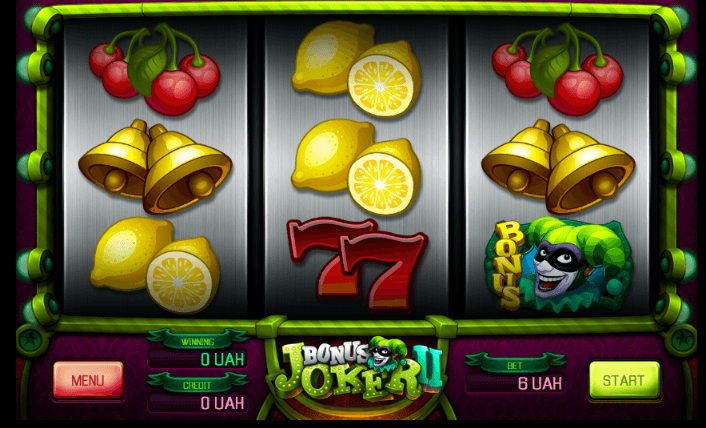
Questions and Answers:
How do sports betting and casino games differ in terms of rules and player involvement?
Sports betting involves predicting outcomes of athletic events, such as football matches or tennis games, based on team performance, player stats, and external factors like weather or injuries. Players place wagers on results like who will win, the score, or specific in-game events. The rules are tied to the sport itself and are standardized across leagues and competitions. Casino games, on the other hand, are typically based on chance and fixed rules set by the game software or dealer. Games like slots, roulette, or blackjack have no direct connection to real-world athletic events. Players interact with the game mechanics—choosing bets, managing bankrolls, or making decisions in games like poker. While sports betting relies more on knowledge of teams and trends, casino games depend heavily on probability and random outcomes. The level of active decision-making varies, with sports betting often requiring research and analysis, while casino games may focus more on timing and risk tolerance.
Can you really improve your chances of winning at casino games through strategy?
Some casino games allow for strategies that can reduce the house edge and improve long-term results. For example, in blackjack, following basic strategy—such as when to hit, stand, double down, or split—based on the dealer’s up card and your hand can lower the house advantage to around 0.5%. This isn’t about guaranteeing wins but about making mathematically sound choices over time. In poker, both live and online versions, skill plays a major role. Players use tactics like bluffing, reading opponents, and managing pot odds to gain an edge. However, games like slots or roulette are entirely random, and no strategy can influence the outcome of individual spins or spins. The house always holds a built-in advantage in these cases. So while strategy helps in certain games, it doesn’t eliminate risk. Success depends on understanding the game’s rules, knowing its odds, and setting limits to avoid chasing losses.
What should beginners know before trying sports betting or casino games for fun?
Beginners should start by learning the basic rules of the games they want to try. For sports betting, it’s helpful to follow a few leagues or teams to understand how odds work and what types of bets exist—like moneyline, point spread, or over/under. Using free demo versions of casino games can help get familiar with how they operate without risking real money. It’s also important to set a budget and stick to it. Many people enjoy these activities as entertainment, not as a way to make money. Losing streaks happen, and expecting consistent wins leads to frustration. Choosing licensed and regulated platforms is key for fair play and secure transactions. Avoid chasing losses by increasing bets after a loss—this often leads to bigger problems. Keeping track of bets and results helps identify patterns and improve decision-making over time. Most importantly, treat these activities as a form of recreation, not a source of income.
Are online sports betting and casino platforms safe to use?
Safety depends on the platform’s licensing and reputation. Reputable sites operate under licenses from recognized regulatory bodies, such as the UK Gambling Commission or Malta Gaming Authority. These licenses require the site to meet strict standards for fairness, security, and responsible gaming. Look for clear information about how games are tested for randomness, how player data is protected, and whether payment methods are secure. Avoid sites that lack transparent terms, have poor customer support, or ask for excessive personal information. Reading independent reviews and checking for user feedback can also help. Many platforms offer tools to set deposit limits, self-exclude periods, or take breaks, which support responsible use. If a site feels too good to be true—offering huge bonuses or guaranteed wins—it likely isn’t trustworthy. Sticking to well-known, regulated services reduces the risk of fraud or unfair gameplay.
1F524D5B


